
How Much Should You Spend on an Engagement Ring in 2026? A Practical Buyer’s Guide
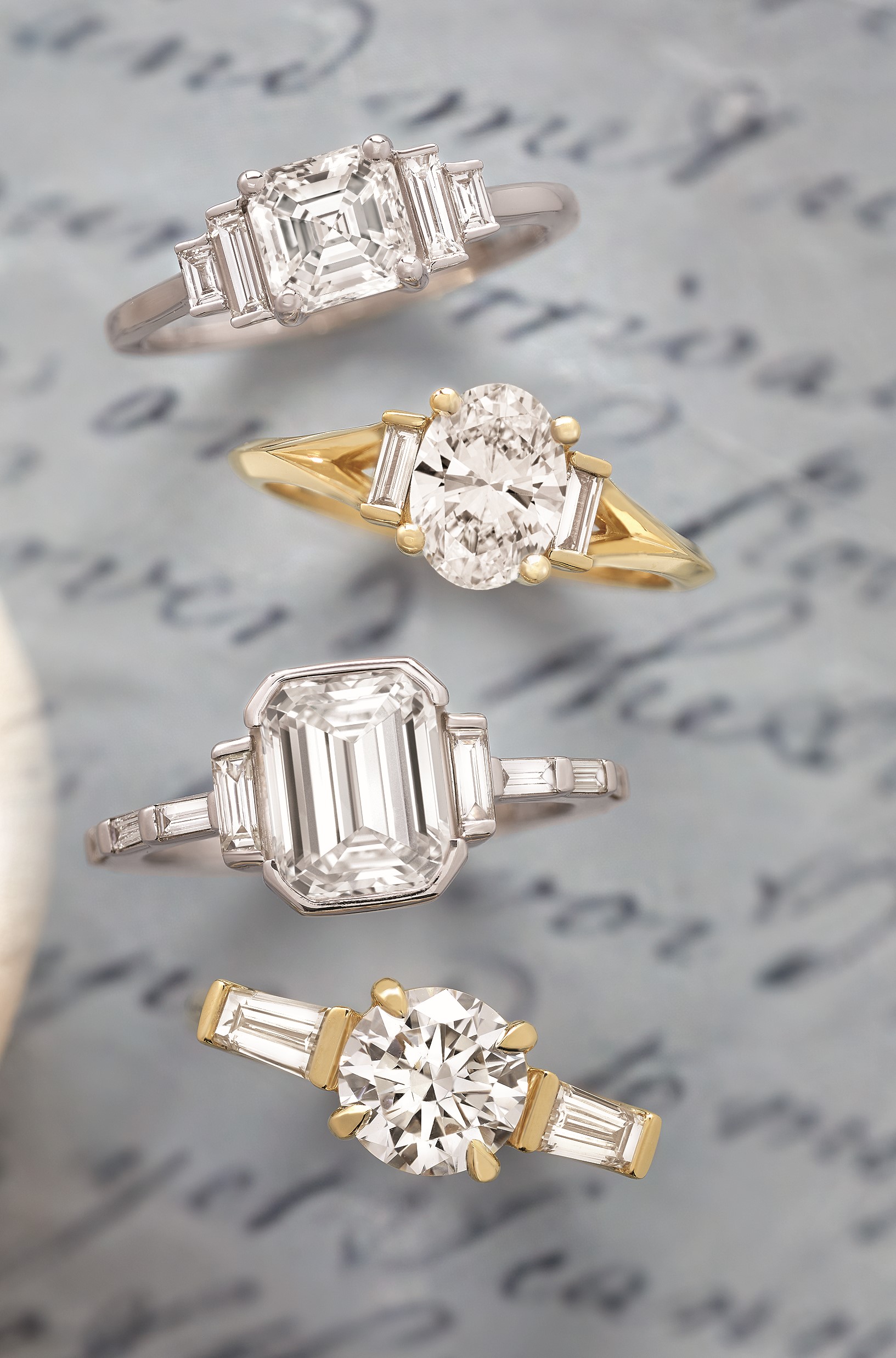
How Much Should You Spend on an Engagement Ring in 2026?
Buying an engagement ring is one of life’s most meaningful purchases, but it doesn’t have to be one of the most stressful. One of the first questions almost every shopper asks is, “How much should I spend on an engagement ring?”
The answer may surprise you: there isn’t one.
Forget outdated rules and marketing myths. The best engagement ring budget is the one that fits your financial goals, your lifestyle, and your partner’s style. Whether you’re investing $2,000 or $20,000, choosing a ring that represents your relationship is far more important than following an arbitrary formula.
At Stampar Jewelers, we believe education leads to confident decisions, and our goal is to help you find exceptional value at every price point.
Forget the “Three Months’ Salary” Rule
For decades, people were told they should spend three months’ salary on an engagement ring. While the idea became widely accepted, it originated as a marketing campaign rather than financial advice.
Today’s couples approach engagement ring shopping much differently.
Instead of measuring commitment by price, they prioritize:
- Staying within a comfortable budget
- Choosing higher quality over unnecessary size
- Investing in long-term financial goals
- Selecting a ring that reflects personal style
The best engagement ring is one you can purchase confidently without creating unnecessary financial stress.
What Most Couples Actually Spend
Engagement rings come in virtually every price range, and there is no “correct” amount to spend. Instead of focusing on national averages, consider what works best for your priorities.
Under $2,500
A thoughtful budget can still create a stunning ring.
Popular choices include:
- Lab-grown diamonds
- Elegant solitaire settings
- White gold or yellow gold bands
- Alternative gemstones such as sapphires or emeralds
This range offers excellent value while maintaining timeless style.
$2,500–$5,000
One of the most popular price ranges for modern buyers.
This budget allows for:
- Larger lab-grown diamonds
- Higher-quality natural diamonds
- Premium settings with accent diamonds
- More customization options
Many couples find this range provides the ideal balance between beauty and value.
$5,000–$10,000
Buyers in this range have significantly more flexibility.
Options often include:
- Larger natural diamonds
- Exceptional lab-grown diamonds with premium specifications
- Designer-inspired settings
- Platinum or intricate custom designs
$10,000+
Higher budgets open the door to rare natural diamonds, larger carat weights, and fully custom heirloom-quality pieces designed to be treasured for generations.
The Four Biggest Factors That Affect Price
Understanding what drives the cost of an engagement ring helps you spend your budget where it matters most.
1. Diamond or Gemstone
Diamonds remain the classic choice, but colored gemstones like sapphires, emeralds, and rubies create unique engagement rings with distinctive character.
The center stone typically represents the largest portion of the overall cost.
2. Natural vs. Lab-Grown Diamonds
One of the biggest pricing factors in today’s market is the origin of the diamond.
Lab-grown diamonds are physically, chemically, and optically identical to natural diamonds while often offering significantly larger sizes for the same budget.
For many couples, this means choosing a one-carat or larger diamond without increasing their overall spending.
3. Carat Weight
Carat weight has a major impact on price, but the visual difference between certain sizes can be surprisingly small.
For example:
- 0.90 carats often appears nearly identical to 1.00 carat
- 1.90 carats closely resembles a 2.00-carat diamond
Choosing slightly below popular benchmark weights can provide excellent value.
4. Setting and Metal
The setting contributes both style and cost.
Popular choices include:
- Solitaire settings
- Hidden halos
- Pavé bands
- Three-stone designs
- Vintage-inspired settings
Metal selection also affects pricing, with platinum generally costing more than white, yellow, or rose gold.
How to Maximize Your Budget
Smart shopping isn’t about spending less—it’s about spending wisely.
Prioritize Cut Quality
A beautifully cut diamond reflects more light and appears brighter than a larger diamond with inferior proportions.
Cut quality often has a greater visual impact than additional carat weight.
Consider Lab-Grown Diamonds
Many buyers choose lab-grown diamonds because they offer remarkable value while maintaining the same physical characteristics as natural diamonds.
The savings can be redirected toward:
- A larger center stone
- A custom setting
- Higher color or clarity grades
Choose a Halo Setting
Halo settings surround the center stone with smaller diamonds, creating the illusion of a significantly larger center diamond while maximizing sparkle.
Stay Just Below Popular Carat Weights
Choosing 0.90 instead of 1.00 carat—or 1.90 instead of 2.00 carats—can result in substantial savings with minimal visual difference.
Should You Choose Natural or Lab-Grown?
There is no universally right answer.
Natural diamonds carry billions of years of geological history and remain highly sought after for their rarity.
Lab-grown diamonds provide exceptional beauty, identical physical properties, and outstanding value.
The best choice depends on your priorities, budget, and personal preferences.
For a deeper comparison, read our guide:
Lab-Grown vs. Natural Diamonds: The Core Difference
Custom Rings Can Save Money
Many shoppers assume custom jewelry is more expensive than purchasing a ring from a display case.
In reality, custom design often allows you to allocate your budget more efficiently.
Rather than paying for features you don’t want, you can prioritize what matters most:
- A larger center diamond
- A unique setting
- Premium craftsmanship
- Personal design details
- Future upgrade flexibility
A custom ring is designed specifically for your partner and can often provide better overall value than mass-produced alternatives.
Visit Stampar Jewelers in Jupiter
Choosing an engagement ring is a personal experience, and having knowledgeable guidance makes all the difference.
As a family-owned jeweler serving the Jupiter community, Stampar Jewelers focuses on education, transparency, and personalized service rather than high-pressure sales.
When you visit our showroom, you’ll receive:
- One-on-one engagement ring consultations
- Expert diamond and gemstone education
- Natural and lab-grown diamond options
- Custom design services tailored to your vision
- Honest recommendations based on your budget and priorities
Whether you’re just beginning your search or ready to design the perfect ring, our team is here to help you make a confident and informed decision.
Frequently Asked Questions
Is the three-month salary rule still relevant?
No. Most modern couples base their engagement ring budget on personal finances and long-term goals rather than an outdated marketing guideline.
Is $5,000 enough for a beautiful engagement ring?
Absolutely. A $5,000 budget provides access to a wide variety of stunning natural and lab-grown diamond engagement rings, along with custom design possibilities.
Do lab-grown diamonds look different from natural diamonds?
No. Lab-grown diamonds are physically, chemically, and optically identical to natural diamonds and require specialized equipment to distinguish them.
What matters more: size or quality?
For most buyers, a well-cut diamond delivers greater brilliance and visual impact than simply choosing a larger carat weight. Prioritizing cut quality is one of the best ways to maximize your investment.